Social Media Marketing for Entertainment: Building Communities and Driving Engagement
The entertainment industry thrives on connection. In 2026, social media marketing isn’t just a promotional tool; it’s the lifeblood of audience interaction and community building. A strategic approach can transform casual viewers into loyal fans and advocates. But with so many platforms and fleeting trends, how can entertainment brands cut through the noise and cultivate genuine audience engagement?
Understanding Your Audience and Platform Selection
Before launching any campaign, you need to deeply understand your target audience. Who are they? What are their interests? Which platforms do they frequent? This goes beyond basic demographics. Consider their values, aspirations, and preferred content formats. Are they drawn to behind-the-scenes glimpses, interactive Q&As, or short-form video content? For example, a gaming company targeting Gen Z might prioritize TikTok and YouTube, while a classical music organization might focus on Facebook and Instagram.
Platform selection should be driven by data, not assumptions. Use social listening tools like Brandwatch or Meltwater to track conversations and identify where your target audience is most active. Analyze competitor activity to see what’s working and what’s not.
Once you’ve identified your key platforms, tailor your content strategy to each one. What works on TikTok won’t necessarily resonate on LinkedIn. Understand the nuances of each platform’s algorithm and user behavior. For instance, Instagram prioritizes visually appealing content, while Twitter thrives on real-time updates and engaging conversations.
Based on a 2025 study by Statista, 73% of consumers say their purchasing decisions are influenced by a brand’s social media presence. This highlights the importance of a well-defined and consistently executed social media strategy.
Crafting Engaging Content for Entertainment
In the entertainment industry, content is king. But simply pushing promotional material isn’t enough. You need to create content that entertains, informs, and connects with your audience on an emotional level. Here are some effective content formats:
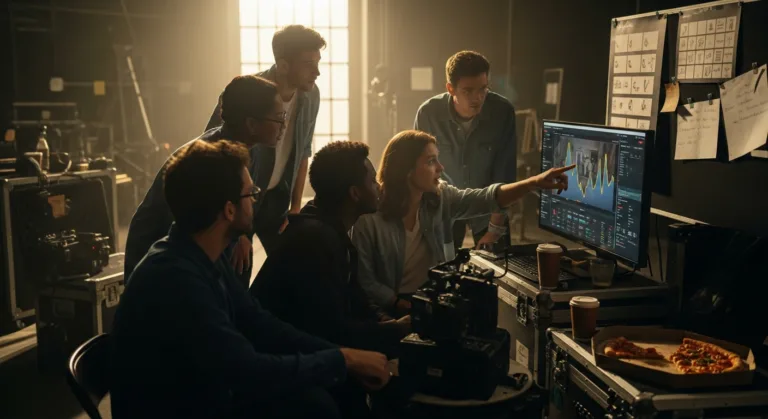
- Behind-the-Scenes Content: Offer exclusive glimpses into the making of your movies, TV shows, or music. This humanizes your brand and creates a sense of intimacy with your audience. Share photos, videos, and stories that showcase the passion and dedication of your team.
- Interactive Q&As: Host live Q&A sessions with actors, directors, or musicians. This allows fans to ask questions and get direct responses from their favorite personalities. Promote these sessions in advance and encourage audience participation.
- User-Generated Content (UGC): Encourage fans to create and share their own content related to your brand. This could include fan art, cosplay photos, or reaction videos. Feature the best UGC on your official channels to show appreciation and foster a sense of community.
- Contests and Giveaways: Run contests and giveaways to incentivize engagement and reward your loyal fans. Offer exclusive prizes, such as signed merchandise, VIP tickets, or early access to content.
- Short-Form Video Content: Create short, engaging videos that are optimized for mobile viewing. This could include trailers, teasers, interviews, or behind-the-scenes snippets. Experiment with different video formats, such as TikToks, Instagram Reels, and YouTube Shorts.
- Live Streaming: Leverage live streaming platforms to host events, concerts, or panel discussions. This allows you to connect with your audience in real-time and create a sense of excitement and exclusivity.
Remember to maintain a consistent brand voice and aesthetic across all your content. This will help you build brand recognition and create a cohesive experience for your audience. Use high-quality visuals and compelling storytelling to capture attention and drive engagement.
Community Building Strategies for Entertainment Brands
Community building is about fostering a sense of belonging and shared identity among your audience. It’s about creating a space where fans can connect with each other, share their passion for your brand, and feel like they are part of something bigger. Here are some strategies for building a thriving community around your entertainment brand:
- Create Dedicated Online Spaces: Establish dedicated online spaces, such as Facebook groups, Discord servers, or online forums, where fans can connect and interact with each other. Moderate these spaces to ensure they remain safe, respectful, and engaging.
- Encourage Dialogue and Interaction: Ask questions, solicit feedback, and encourage fans to share their thoughts and opinions. Respond to comments and messages promptly and thoughtfully. Show that you value your audience’s input and are genuinely interested in their perspectives.
- Recognize and Reward Active Members: Identify and reward your most active and engaged community members. Feature them on your social media channels, give them exclusive access to content, or invite them to participate in special events.
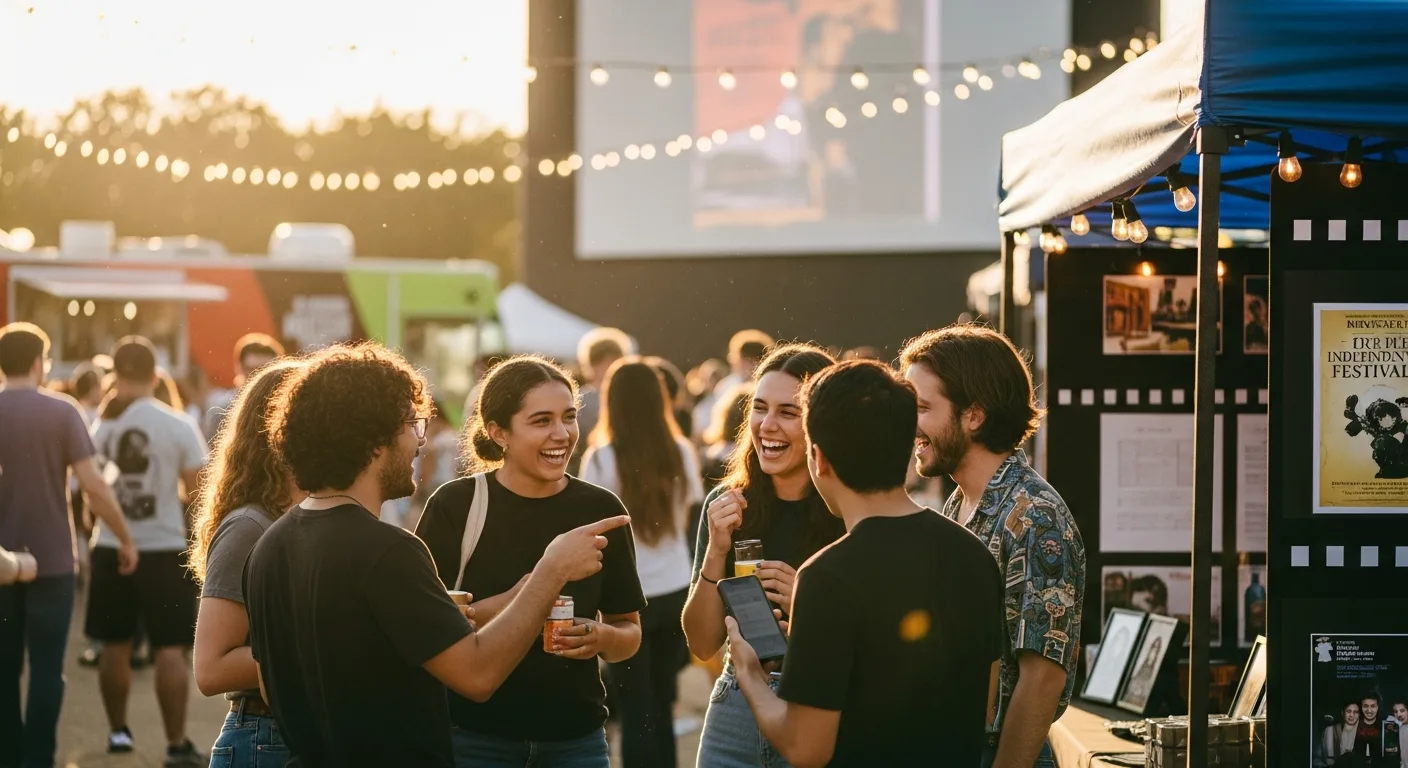
- Host Online and Offline Events: Organize online and offline events, such as virtual meetups, watch parties, or fan conventions, to bring your community together in person. These events provide opportunities for fans to connect with each other, meet the creators behind your brand, and celebrate their shared passion.
- Collaborate with Influencers: Partner with relevant influencers to reach new audiences and build credibility within your community. Choose influencers who align with your brand values and have a genuine connection with your target audience.
A strong community is a powerful asset for any entertainment brand. It can drive word-of-mouth marketing, increase brand loyalty, and provide valuable feedback for future projects.
Leveraging Social Media for Audience Engagement
Audience engagement is the lifeblood of social media success. It’s about creating content and experiences that resonate with your audience, spark conversations, and inspire action. Here are some tactics for boosting audience engagement on social media:
- Run Polls and Quizzes: Use polls and quizzes to encourage audience participation and gather valuable insights. Ask questions related to your content, characters, or storylines. This can be a fun and engaging way to learn more about your audience’s preferences.
- Host Contests and Challenges: Launch contests and challenges that encourage fans to create and share their own content. This can be a great way to generate buzz and increase brand visibility.
- Use Interactive Storytelling: Experiment with interactive storytelling formats, such as choose-your-own-adventure stories or branching narratives. This allows your audience to actively participate in the story and shape the outcome.
- Go Live: Host live streams on platforms like Instagram Live, Facebook Live, or YouTube Live to connect with your audience in real-time. This can be a great way to answer questions, share updates, or host behind-the-scenes tours.
- Respond to Comments and Messages: Engage with your audience by responding to comments and messages promptly and thoughtfully. Show that you value their input and are genuinely interested in their perspectives.
Track your engagement metrics regularly to see what’s working and what’s not. Use analytics tools like Google Analytics or platform-specific insights to measure your reach, impressions, and engagement rate. Use this data to refine your content strategy and optimize your campaigns for maximum impact. According to a recent report by HubSpot, brands that actively engage with their audience on social media experience a 20% increase in customer loyalty.
Measuring and Analyzing Social Media Performance
No social media strategy is complete without a robust system for measuring and analyzing performance. Tracking the right metrics allows you to understand what’s working, what’s not, and how to optimize your efforts for maximum impact. Here are some key metrics to monitor:
- Reach: The number of unique users who have seen your content.
- Impressions: The total number of times your content has been displayed.
- Engagement Rate: The percentage of users who have interacted with your content (e.g., likes, comments, shares).
- Website Traffic: The amount of traffic driven to your website from social media channels.
- Conversions: The number of users who have taken a desired action (e.g., purchased a product, signed up for a newsletter) as a result of your social media efforts.
- Sentiment Analysis: Gauging the overall tone and emotion of conversations surrounding your brand.
Use social media analytics tools to track these metrics and generate reports. These tools can provide valuable insights into your audience demographics, content performance, and campaign effectiveness. Regularly review your data and identify trends and patterns. Use this information to adjust your strategy and optimize your campaigns for better results. For example, if you notice that a particular type of content is performing well, create more of it. If you see that your engagement rate is low on a certain platform, experiment with different content formats or posting times.
My experience working with entertainment clients has shown that consistent monitoring and data-driven decision-making are essential for achieving long-term social media success. It’s not enough to simply post content and hope for the best. You need to actively track your performance, analyze your data, and adapt your strategy based on what you learn.
Adapting to Future Trends in Entertainment Social Media
The social media landscape is constantly evolving. New platforms emerge, algorithms change, and user behavior shifts. To stay ahead of the curve, entertainment brands need to be adaptable and embrace new trends. Here are some emerging trends to watch out for in the coming years:
- The Rise of the Metaverse: As the metaverse continues to develop, entertainment brands will need to find new ways to engage with audiences in virtual worlds. This could involve creating virtual experiences, hosting virtual events, or partnering with metaverse platforms.
- The Growth of AI-Powered Content Creation: Artificial intelligence (AI) is increasingly being used to create social media content. This could involve generating captions, creating images, or even writing scripts for videos. Entertainment brands can leverage AI to automate tasks, improve content quality, and personalize the audience experience.
- The Increasing Importance of Social Commerce: Social commerce, or selling products and services directly through social media platforms, is becoming increasingly popular. Entertainment brands can leverage social commerce to sell merchandise, tickets, or subscriptions directly to their fans.
- The Focus on Authenticity and Transparency: Consumers are increasingly demanding authenticity and transparency from brands. Entertainment brands need to be open and honest in their communication and avoid using deceptive marketing tactics.
- The Shift Towards Personalized Experiences: Consumers expect personalized experiences that are tailored to their individual needs and preferences. Entertainment brands can use data to personalize their content, offers, and recommendations.
By staying informed about these trends and adapting their strategies accordingly, entertainment brands can continue to thrive in the ever-changing social media landscape.
Conclusion
Social media marketing is essential for entertainment brands seeking to build communities and drive audience engagement in 2026. By understanding your audience, crafting engaging content, fostering a sense of community, and continuously measuring performance, you can transform casual viewers into loyal fans. Remember to adapt to emerging trends and leverage new technologies to stay ahead of the curve. The key takeaway? Focus on building genuine connections and providing value to your audience. Start by identifying one platform where your audience is most active and create a content calendar focused on community building activities.
What social media platforms are best for entertainment marketing?
The best platforms depend on your target audience. TikTok is great for Gen Z and short-form video, while Facebook and Instagram are broader and suitable for various content types. YouTube remains strong for longer-form video and tutorials. Research where your audience spends their time.
How do I measure the success of my social media marketing efforts?
Track metrics like reach, impressions, engagement rate (likes, comments, shares), website traffic from social media, and conversions (purchases, sign-ups). Use analytics tools to monitor these metrics and identify trends.
What types of content are most engaging for entertainment audiences?
Behind-the-scenes content, interactive Q&As, user-generated content, contests, short-form videos, and live streams tend to perform well. Focus on content that entertains, informs, and connects with your audience on an emotional level.
How can I build a strong community around my entertainment brand?
Create dedicated online spaces, encourage dialogue and interaction, recognize and reward active members, host online and offline events, and collaborate with relevant influencers. Foster a sense of belonging and shared identity among your audience.
How important is it to adapt to new social media trends?
It’s crucial. The social media landscape is constantly evolving. Stay informed about emerging trends like the metaverse, AI-powered content creation, social commerce, and personalized experiences to stay ahead of the curve and maintain audience engagement.